
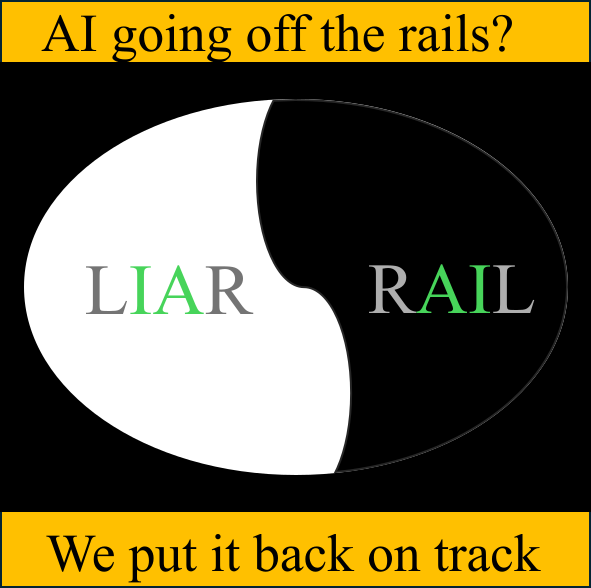
See a simple example of this behaviour

Do you recognise:
- Outputs inconsistent
- User-groups don’t trust it
- AI drift/invention
- ROI unclear
If outputs are inconsistent, trust is low, or results don’t hold
— you’re not alone.
AI systems often produce outputs that look reasonable but still miss the intended result.
This usually happens because the problem has not been clearly structured before it reaches the AI.
It is not simply a matter of changing the prompt… The way the task is defined, broken down, and presented to the system determines what it is able to produce.
Problem descriptions
Prompts are more like guidlelines than rules
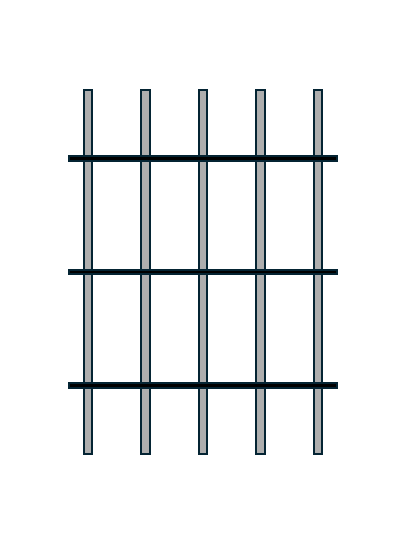
Constraints are not absolute
AI does not obey — it resolves
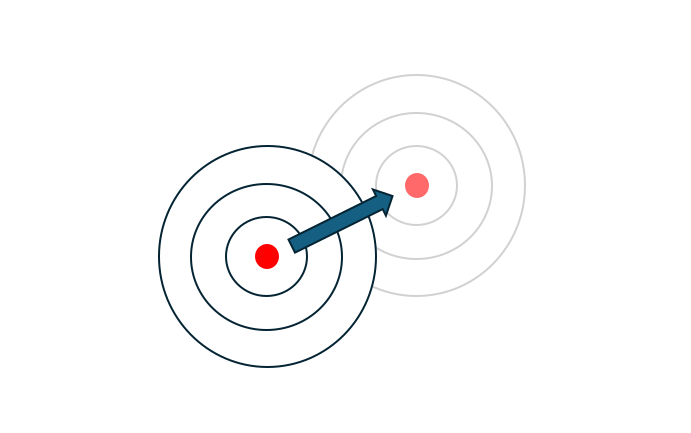
AI optimises for
“a valid-looking answer,”
not “your intended answer”
Each of these behaviours comes from the same underlying reality: the AI is not executing instructions — it is interpreting a problem.
When you provide a prompt, you are not defining a fixed outcome.
You are giving the system something to resolve based on its training and internal weighting of what looks valid.
This is why constraints do not always hold. They are part of the context, not absolute boundaries.
It is also why outputs can appear correct, yet still miss what was intended. The system is producing an answer that fits the shape of the request, not necessarily the purpose behind it.
In practice, this means that adjusting prompts alone rarely stabilises behaviour.
If the structure of the task is unclear or combined, the AI will continue to reinterpret it, even when the wording changes.
Intervention

One size does not fit all – the ultimate solution depends on multiple issues.
The first part of the process is to examine:
- what is actually being asked of the AI
- how the requirement is presented
Find out more about this behaviour
Jump straight to fixing the problem,
without commitment